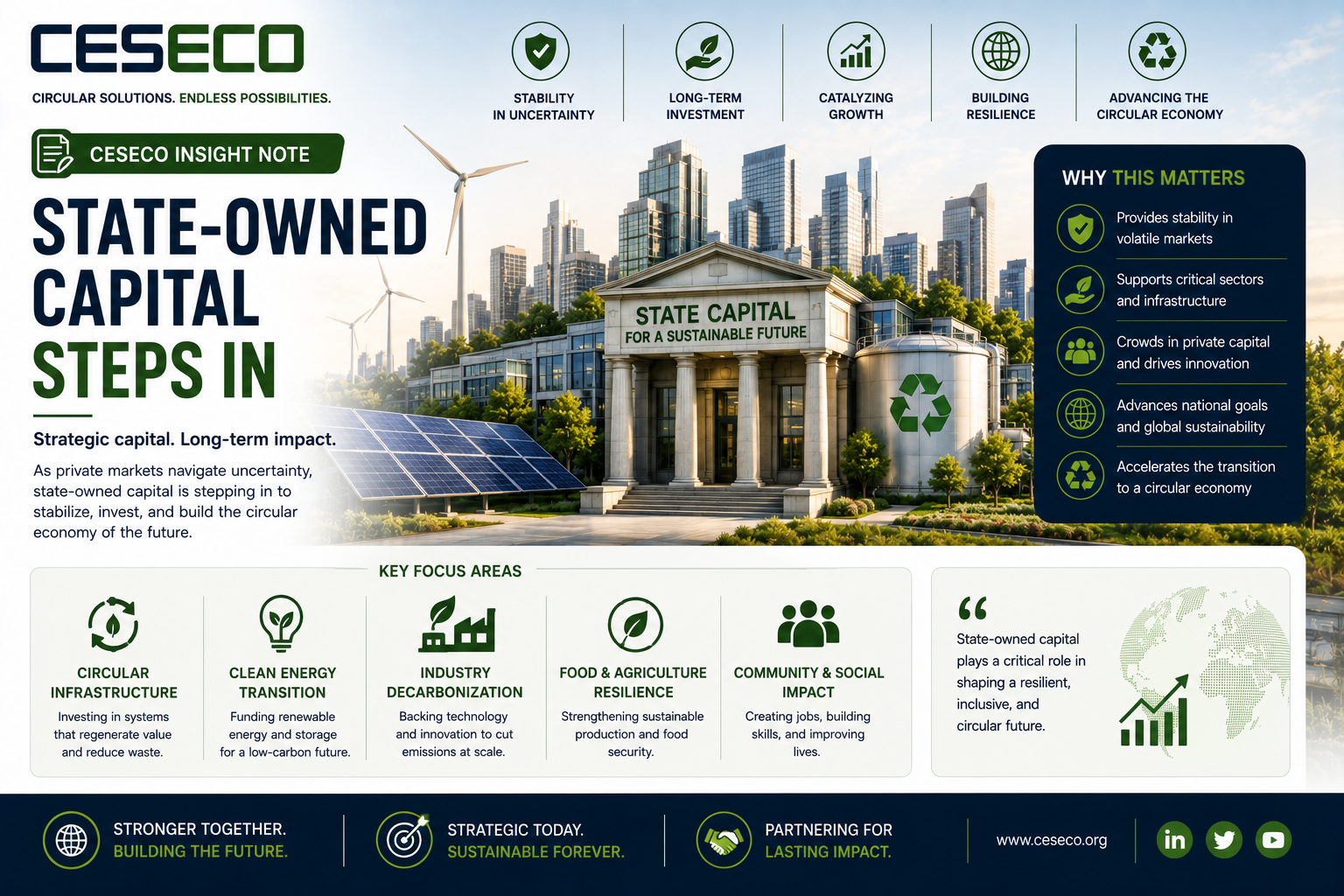
China’s Pig-Farming Restructurings and What They Mean for Global Protein Supply
Executive Snapshot
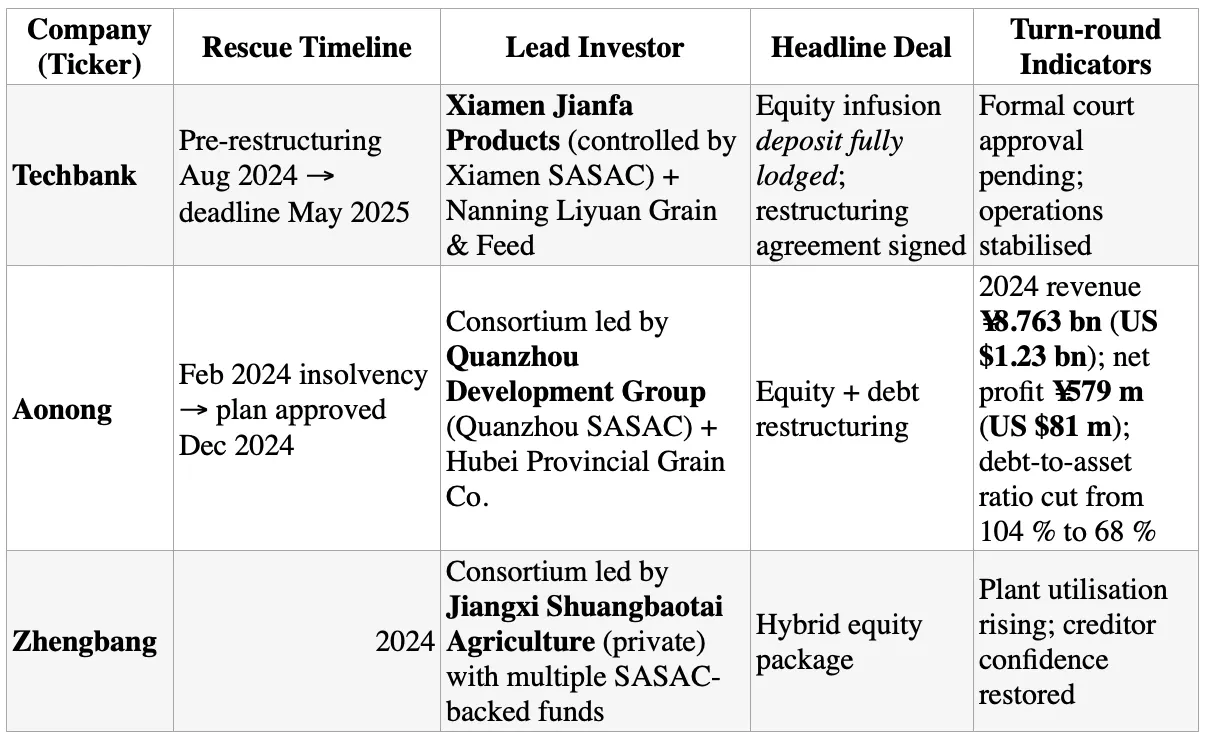
Across the last down-cycle in China’s hog market, a clear pattern emerged: state-backed investors have become the “white knights” of financially distressed, publicly-listed pig producers. From Techbank to Aonong and Zhengbang, consortia dominated by municipal or provincial SASACs have injected fresh equity, swapped debt for shares and restored confidence in a strategically vital sector.
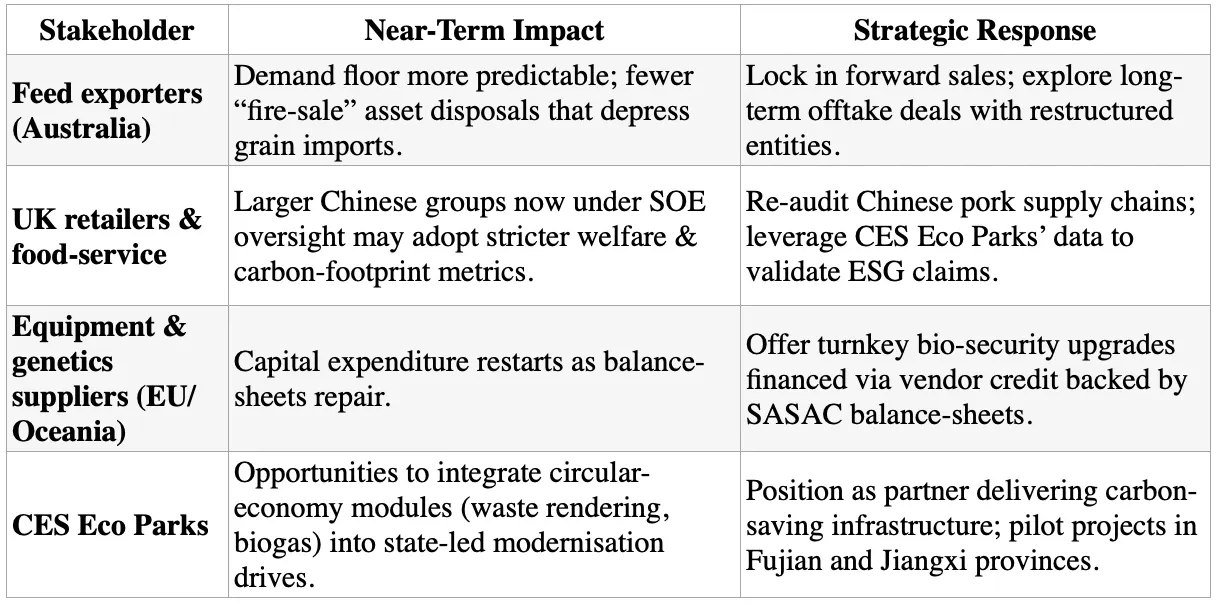
For international stakeholders—feed suppliers in Australia, equipment manufacturers in Europe, and sustainability-minded retailers in the UK—this intervention signals three things: production capacity will be preserved, market volatility should moderate, and state-owned entities will wield greater influence over supply-chain standards.
Who Has Been Rescued – And How?
Why Are State-Owned Investors So Keen?
- Food-Security Mandate – Pork accounts for >60 % of China’s meat consumption. State shareholders ensure that production capacity is not lost in cyclical troughs.
- Stabiliser Role – SOEs can absorb short-term losses, muting the boom-bust cycle that often roils private producers and global grain demand.
- Local Economic Multipliers – Rescuing a hometown integrator preserves jobs, tax receipts and upstream feed demand—key motives for Quanzhou and Jiangxi governments.
- Policy Alignment & ESG Optics – SASAC owners can push for stricter bio-security, environmental upgrades and small-farm support, undercutting criticism that large integrators crowd out family farms.
Implications for Stakeholders in China, Australia & the UK
Risks & Watch-Points
- Execution Gap – State ownership does not automatically translate into lean management; cost control will determine whether FCR targets are met post-restructuring.
- Market Discipline – Easy capital could delay necessary capacity rationalisation, prolonging low-price cycles.
- Policy Shifts – A sudden tightening of environmental regulations could inflate compliance costs for newly rescued firms.
CEO Reflection
For CESECO, the message is straightforward: China is ring-fencing its pork supply with public capital. That keeps feed-grain flows, manure volumes and rendering inputs broadly stable—exactly the ecosystem in which our circular-agri parks thrive. The task now is to align with SOE partners, demonstrate how our technology trims emissions and converts waste to value, and replicate the model in Australia and the UK where cost-of-production pressures bite just as hard.
References
- China Business Journal, “State-Owned Capital Steps In to Restructure Pig Farming Enterprises”, June 2025.
- Company filings: Techbank, Aonong, Zhengbang (2024–25).
- Ministry of Agriculture & Rural Affairs, Pork Industry Chain Monitoring System, 2025.
(Currency conversion at 1 RMB ≈ US $0.14)
Follow CESECO on LinkedIn for regular, data-driven insights spanning Asia-Pacific and European agribusiness.
